Newsletter Subscribe
Enter your email address below and subscribe to our newsletter

 ByJohn A
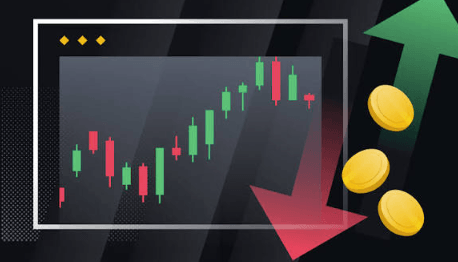
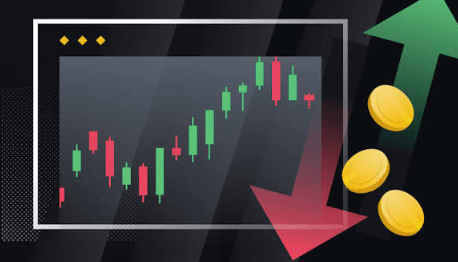
Leverage amplifies both gains and losses in crypto trading by borrowing capital to control larger positions. This magnifies market moves, increasing margin requirements and the likelihood of swift liquidations. Small price shifts can trigger margin calls, forcing rapid rebalancing and potential forced exits. As borrowed exposure grows, liquidity gaps widen and stress rises. The result is heightened systemic risk unless disciplined guardrails, strict position sizing, and clear stop mechanisms are in place to temper volatility.
Leverage in crypto trading allows a trader to control a larger position than their available capital by borrowing funds. This mechanism, often via crypto funding and perpetual contracts, magnifies both potential gains and losses. Analysts note margin requirements, interest costs, and price volatility as critical risk drivers. Prudence favors measured exposure, clear stop-loss rules, and disciplined risk assessment for freedom-minded participants.
Liquidation and margin calls are execution mechanisms that protect lenders when collateral no longer covers outstanding exposure. In practice, margin triggers compress positions as prices move, forcing rapid rebalancing.
This process reveals leverage dynamics, revealing how small price shifts can cascade into forced exits. Analysts quantify thresholds, occurrence rates, and liquidity effects, guiding risk awareness without sensational assumptions.
The biggest risk factors in crypto leverage stem from how rapidly funding requirements, price volatility, and liquidity gaps interact under borrowed exposure. This dynamic shapes leverage psychology, as traders react to margin calls and shifting funding costs. Elevated volatility magnifies drawdowns, while thin liquidity worsens gaps, increasing liquidation likelihood and distortions in pricing signals.
See also: AI in Modern Farming Practices
Could deliberate guardrails meaningfully reduce risk, or do they merely shift it elsewhere? Smart guardrails constrain exposure: leverage caps limit extreme bets, position sizing aligns capital with risk appetite, and stops enforce exit points. This approach reflects leverage psychology, emphasizing disciplined behavior over impulsive bets. When tied to risk budgeting, guardrails balance potential gains against volatility, enabling measured, systematic risk control.
In the ledger of crypto, leverage stands as a double-edged scale. When markets tilt, borrowed weight amplifies every tremor, turning small ripples into tidal surges. Margin calls loom like sudden dawns, and liquidations act as quiet, efficient censors erasing overextended bets. The data warns: exposure must be measured, guards tightened, and positions sized with precision. The symbol is the jagged line—a reminder that amplified risk follows every amplified wish to win quickly. Caution remains the prudent compass.