Newsletter Subscribe
Enter your email address below and subscribe to our newsletter

 ByJohn A
Commercial graphics must perform under different conditions, from prolonged outdoor exposure to repeated handling and everyday wear. For businesses, printing solutions must provide the same level of image quality, yet work well for each specific application. Many of these needs can be achieved with solvent printing, especially in large format printing for advertising, branding, and commercial displays. But the performance of the print is not just determined by the ink technology. The finished appearance will vary depending on substrate, finishing techniques, installation, and anticipated use. Being aware of these will help companies make sound choices about commercial printing jobs.
Knowing the application differences can be used to help businesses select the proper printing setups for their intended use.
Signs and banners placed outdoors should be able to endure the harsh conditions of weather, sun, rain, and temperature. With a suitable choice of ink system, substrate, and finishing techniques, solvent printing can serve these applications. A company needs to take into account the anticipated exposure, color retention and the service life of the print solution when deciding. These factors are especially relevant to billboards, street banners, and promotional displays that will be needed for an extended period during an ad campaign.
Vehicle wraps and fleet graphics require prints that work with flexible materials and complex surface contours. Graphics need to fit the vehicle panels and stay securely attached to the vehicle during normal operation. Large format solvent printing can be used for these projects if there are suitable ink and vinyl materials. The surface preparation, application technique and finishing will also impact the finished product. Abrasion and exposure to the normal environment are important since vehicles are subject to varying weather and are handled regularly. Choosing an appropriate printing system is the key to establishing brand graphics that can be used for relevant purposes in vehicle applications with functionality and aesthetics.
Window displays, floor graphics, and interior murals serve different commercial purposes, so each application requires careful consideration. Storefront graphics should be easy to read, and floor stickers should be durable enough to handle foot traffic and may need floor treatment for durability. Perforated window films can offer promotional exposure with a measure of visibility through the window. Interior murals and wall graphics place greater emphasis on image detail and compatibility with the installation surface. When choosing inks for indoor applications, consider their eco-solvent printing and workplace needs. The chosen system should still be appropriate for the substrate and the purpose for which it is being used.
Flexible packaging introduces additional requirements because printed materials may be bent, handled, stacked, and transported. For labels, pouches and flexible films, proper ink adhesion and scuff resistance during shipping are important. Solvent-based printing can also be used with specific applications, depending on the equipment, the formulation of the printing inks and the substrate for the packaging. Also, businesses can consider finishing requirements and any regulatory standards that apply. In the case of food contact packaging, it is important that the material and ink are carefully verified. To avoid compatibility problems and ensure better packaging quality, it is important to confirm these requirements before production.
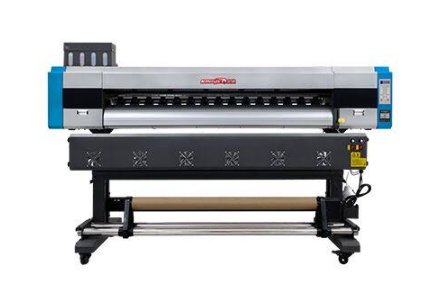
Imaging Spectrum assists businesses looking to investigate commercial printing options and complementary solvent media for various print production needs. Its solvent-media range includes brands such as Avery Dennison, Epson, Kodak, Summit, and Ultraflex, offering businesses options to consider when evaluating materials for their printing workflows. When evaluating equipment like the Epson SureColor S7170 64-inch solvent printer from Imaging Spectrum, it’s important to consider verified equipment specifications, compatible media, size of prints, and applications. Commercial graphic applications require the right media and finishing for the printer to perform its tasks, so it is important that printer capabilities are matched with appropriate media and finishing options.
Solvent printing can be used for outdoor signs, vehicle graphics and specific commercial displays. Depending on the printer, ink system, substrate, finishing and operating conditions.
When using the large format solvent printing technique, the following factors need to be taken into account: Graphics size, quantity, substrate, finishing, installation environment and the life of the finished graphics.
For some signage and display projects, eco-solvent printing might be appropriate. Before choosing the system, several factors, including the characteristics of the inks, ventilation needs, substrate compatibility and working environment, should be considered by the business.
The Epson SureColor S7170 64-inch solvent printer should be evaluated based on verified specs, types of media supported, print size, print volume and the applications the business plans to use.
When purchasing the right large format solvent printing equipment, businesses need to see beyond the upfront price tag and promised performance. The long-term value of a printer is affected by its production capacity, operating costs, workflow friendliness and technical support. Considering these factors alongside existing workloads and future needs can enable businesses to make informed buying decisions, leading to a printing system that guarantees consistent results, effective operations, and sustainable growth.
Explore Imaging Spectrum’s commercial printing solutions to find equipment suited to your production needs.