Newsletter Subscribe
Enter your email address below and subscribe to our newsletter

 ByJohn A
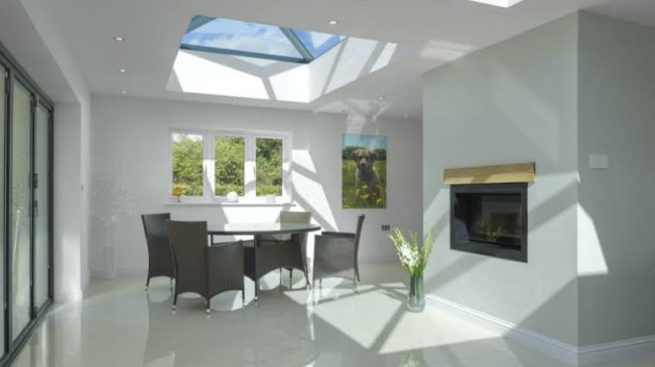
Natural light can make a room feel larger, warmer, and more inviting without changing its footprint. In properties with flat roofs or rear extensions, bringing daylight into the centre of the space can be challenging because traditional windows often sit around the perimeter. Lantern roof windows offer a practical architectural option, allowing sunlight to enter from above while adding a distinctive feature to the roofline. Their design can suit kitchen extensions, dining areas, open-plan living rooms, and other spaces where daylight and a sense of openness are priorities.
A roof lantern is a glazed structure installed above a flat or low-pitched roof. Unlike a conventional skylight that usually sits close to the roof surface, a lantern typically rises above it, creating an elevated glazed feature supported by a frame.
This raised design allows daylight to enter from multiple angles as the sun moves throughout the day. The changing direction of the light can help brighten areas that might otherwise depend heavily on artificial lighting.
Roof lanterns also introduce a visual focal point. Their framework, glass panels, and geometric shape can complement contemporary extensions, traditional properties, and transitional architectural styles. The finished effect depends on the lantern’s proportions, frame colour, glazing specification, and relationship to the surrounding room.
See also: Commercial Asset Management Strategies for Extending the Income Life of Aging Properties
Rear extensions frequently create valuable additional living space, but they can also leave the middle of a home feeling darker than the rooms near external walls. This is particularly common in open-plan kitchens and dining rooms where cabinets, partitions, and adjoining buildings limit the amount of daylight entering through vertical windows.
A roof lantern can help address this problem by admitting daylight through the ceiling. The extra natural illumination may make worktops easier to see, create a more comfortable dining environment, and make the room feel more connected to the outdoors.
Placement deserves careful consideration. A lantern above a dining table can establish a natural gathering point, while one positioned over a kitchen island can provide useful daylight for food preparation. In a lounge extension, a centrally located feature can create a brighter atmosphere without taking up wall space.
The final result depends on the size and orientation of the opening, surrounding buildings, roof construction, and local weather conditions. A well-planned installation considers these factors before the roof structure is altered.
Roof lanterns are available in different shapes, sizes, frame finishes, and glazing configurations. The right choice should reflect the architecture of the property rather than relying on appearance alone.
A rectangular lantern often suits a long extension because its proportions follow the shape of the room. Larger designs can create a dramatic architectural feature, while a smaller lantern may provide sufficient daylight in a compact kitchen or dining area.
Frame colour can also influence the overall appearance. Dark frames often create a defined outline against the sky, while lighter finishes may blend more quietly with pale ceilings and interior décor. Slim framing can provide a more open visual effect, although structural requirements will determine the appropriate frame dimensions.
Proportion matters just as much as style. An oversized lantern can dominate a modest room, while a feature that is too small may have limited visual impact. Reviewing the room dimensions, ceiling layout, and intended furniture arrangement helps establish a suitable scale.
A roof lantern needs to perform well in different weather conditions, not simply look attractive on a sunny day. Glazing specification, frame construction, seals, and installation quality all affect how comfortable the room remains throughout the year.
Double or triple glazing may be suitable depending on the building’s insulation requirements, the local climate, and applicable building regulations. Low-emissivity coatings and gas-filled glazing units can help reduce heat transfer when included in an appropriately designed system.
Solar control glazing may also be worth considering in rooms that receive strong direct sunlight. It can help limit unwanted solar heat gain, although the degree of protection varies by glass specification. The balance between daylight, heat retention, glare, and solar gain should be assessed for the particular property.
Condensation is another consideration. Indoor humidity, ventilation, temperature differences, and the quality of the installation can all influence moisture formation around glazing. Proper ventilation and suitable detailing help reduce the risk of condensation-related problems.
Before purchasing a roof lantern, homeowners should review the manufacturer’s technical information rather than relying on general claims about energy efficiency.
Fixed roof lanterns are designed primarily to provide daylight and a glazed architectural feature. They may suit rooms where existing windows, doors, or mechanical ventilation already provide sufficient airflow.
Opening models can offer additional ventilation, allowing warm air to escape through the roof when conditions permit. This can be useful in kitchens and open-plan extensions, where cooking and everyday activities may increase indoor heat and humidity.
The choice depends on the room’s ventilation requirements, accessibility for maintenance, budget, and the available operating system. Opening units may require additional mechanisms, controls, and maintenance compared with fixed designs.
Homeowners should also consider how the lantern will be cleaned and inspected. Roof access, cleaning arrangements, and the manufacturer’s maintenance recommendations can affect long-term convenience.
A roof lantern is only as reliable as the structure supporting it. Before installation, the roof opening must be assessed to determine whether additional structural support is required. The roof kerb, waterproofing, flashing, and drainage details need to work together to protect the building against water ingress.
Professional installation helps ensure that the lantern is correctly aligned, securely fixed, and properly sealed. The installer should also confirm that the selected product is compatible with the roof construction and meets the relevant building requirements.
Planning considerations may vary according to the property’s location, conservation status, and the nature of the proposed work. Checking local requirements before construction begins can help prevent delays and unexpected costs.
Product quality, accurate measurements, and suitable technical advice all contribute to a successful installation. Homeowners should compare specifications, available dimensions, frame materials, glazing performance, warranty conditions, and maintenance requirements before making a decision.
Skylights Roof Lanterns provides a relevant point of reference for exploring roof glazing options and considering how different designs may suit a property. Comparing available styles and technical details can help homeowners prepare more informed questions before committing to a purchase.
It is also useful to discuss the roof structure, expected daylight levels, insulation targets, and ventilation needs with a qualified installer. These details help establish whether a particular design is appropriate for the building and the intended use of the room.
A carefully selected roof lantern can give an extension a stronger connection to natural light while creating an attractive focal point overhead. Its success depends on more than the appearance of the glass and frame; proportion, thermal performance, waterproofing, and installation quality all deserve attention.
Homeowners planning a renovation can start by assessing where daylight is most needed and how the lantern will work with the existing roof. Contact us to discuss suitable roof lantern options, compare design specifications, and identify the details worth reviewing before your project begins. A considered choice can help create a bright, comfortable space that complements the character of the property.