Newsletter Subscribe
Enter your email address below and subscribe to our newsletter

 ByJohn A
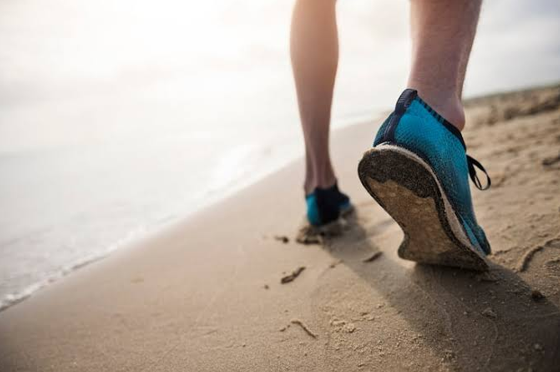
Walking across a grassy path, feeling the ground beneath your feet, or spreading your toes after a long day in tight footwear can make you more aware of how your feet move. Conventional shoes often include thick cushioning, narrow toe areas, and structured soles that limit some of these movements. Barefoot shoes take a different approach by offering a thin, flexible sole and a shape that allows the toes more room to spread.
The idea behind this footwear is simple: let the feet move with fewer restrictions while still providing a protective barrier between the skin and the ground. For people interested in natural movement, this design offers a different walking experience. However, comfort depends on the individual, the surface, and how gradually the feet adapt to the change.
Many conventional shoes taper towards the front, leaving less space for the toes than the foot may naturally require. Over time, wearing restrictive footwear can make certain positions feel familiar, even if the toes cannot spread freely inside the shoe.
Barefoot-style footwear generally uses a wider toe box that follows a more natural outline of the foot. This space allows the toes to spread during standing, walking, and other everyday movements. The big toe, in particular, has room to maintain a more natural position rather than being pushed towards the smaller toes.
Toe space is useful for more than comfort alone. The toes contribute to balance and help the foot respond to changes in the ground beneath it. Allowing them to move freely can make walking feel different, especially for someone accustomed to narrow footwear.
A wider shape does not mean every barefoot shoe will fit every foot. Some models have a broad appearance but still feel restrictive around the forefoot. Trying them on and checking the space around each toe can help you find a suitable design.
See also: Commercial Asset Management Strategies for Extending the Income Life of Aging Properties
Traditional walking shoes often use layered midsoles to cushion each step. Barefoot shoes typically have thinner soles with greater flexibility, allowing the wearer to notice more of the surface beneath their feet.
This increased ground feel can make walking across different textures more noticeable. Smooth pavement, wooden floors, grass, and compact dirt each provide different sensations. Some people enjoy this closer connection with the ground because it makes their steps feel more direct.
A flexible sole also allows the shoe to bend as the foot moves. Instead of maintaining a rigid shape throughout the stride, the footwear can follow the natural movement of the forefoot.
However, thin soles provide less cushioning and protection than many conventional shoes. Sharp stones, rough surfaces, and very hot pavement can create discomfort or injury risks. Barefoot-style footwear is not suitable for every environment, and a thin sole should not be mistaken for an absence of protection needs.
Choosing where to wear these shoes matters just as much as selecting the right design.
Feet vary considerably in width, arch shape, toe length, and overall proportions. A shoe that feels comfortable for one person may create pressure or instability for another. Barefoot-style designs aim to accommodate natural foot movement rather than forcing every foot into the same narrow shape.
Many models feature a relatively flat sole, often described as having zero drop. This means the heel and forefoot sit at approximately the same height rather than placing the heel above the toes.
A flat platform can create a different standing and walking sensation compared with shoes that have elevated heels. It may suit people who prefer a more level position, but the transition can feel unfamiliar to those who regularly wear cushioned footwear with substantial heel elevation.
The shape of the shoe should also match the natural outline of your foot. Your toes should have room to spread without the shoe slipping excessively around the heel or midfoot.
People with existing foot pain, reduced sensation, balance difficulties, or particular medical needs should seek appropriate professional advice before switching to minimalist footwear. A less structured shoe is not automatically healthier for everyone.
Moving from heavily cushioned shoes to barefoot-style footwear changes the demands placed on the feet and lower legs. Muscles, tendons, and other tissues may need time to adjust to the different movement patterns.
Beginning with short periods of wear is a sensible way to test comfort. You might start with a brief walk on a familiar, relatively smooth surface before using the shoes for longer outings. Pay attention to how your feet, calves, and ankles feel during the activity and afterwards.
Avoid immediately replacing every pair of shoes you own. Keeping your regular footwear available allows you to alternate according to the activity, surface, and level of comfort. This is especially useful during the first few weeks of adapting to a thinner sole.
Increase walking time gradually rather than following a fixed schedule. There is no universal transition period that suits every person. Previous activity levels, footwear habits, foot strength, and individual health all influence how quickly someone adapts.
Persistent pain, swelling, or worsening discomfort should not be treated as a normal part of the adjustment process. Stop the activity and seek professional guidance if symptoms continue.
Barefoot shoes do not have to be reserved for specialised training or outdoor adventures. Many people first try them during ordinary activities such as short walks, shopping trips, light errands, or spending time at home.
These settings offer opportunities to learn how the shoes feel without immediately introducing demanding physical activity. A short walk on a familiar route can help you assess flexibility, toe room, and the amount of ground sensation you experience.
For longer walks, the right choice depends on your comfort and the surface. Some people enjoy minimalist footwear for daily movement, while others prefer additional cushioning for prolonged standing or walking on concrete.
Running requires greater care during the transition. Changing to minimalist running shoes can alter loading patterns, including the demands placed on the calves and Achilles tendon. A gradual approach and attention to running technique are advisable, particularly for people who have spent years running in highly cushioned footwear.
The purpose is not to force every activity into one type of shoe. It is to understand how different designs feel and choose the footwear that fits the demands of each situation.
A natural-feeling design still needs to be practical. Materials, stitching, sole construction, and fastening systems all affect how a pair performs during regular use.
Flexible uppers can allow the foot to move comfortably, while a secure heel and adjustable laces help keep the shoe in place. The toe box should provide sufficient room without making the entire shoe feel loose.
Sole thickness also deserves attention. Barefoot-style shoes vary in how much protection they offer, so consider the surfaces you use most often. A very thin sole may suit smooth paths but feel less comfortable on rocky trails.
Cleaning requirements depend on the materials. Some models can be wiped with a damp cloth, while others require specific washing instructions. Allow footwear to dry fully after getting wet, and inspect the sole for cuts or excessive wear.
A shoe that bends easily should still be durable enough for its intended use. Flexibility alone does not determine quality.
The appeal of barefoot shoes lies in the freedom they offer the toes and the more direct sensation of walking. Their flexible construction can provide a noticeably different experience for people who are accustomed to thick, structured soles.
The best way to explore this style is to focus on personal comfort rather than expecting a particular result. Look for a shape that fits your feet, choose surfaces appropriate for the sole, and give yourself time to adjust. Some people may enjoy minimalist footwear for much of their daily routine, while others may prefer to use it only for certain activities.
Footwear should support the way you move without creating unnecessary discomfort. Allowing your feet more room and flexibility can be an interesting change, provided you approach it patiently and recognise that natural movement looks and feels different for everyone.