Newsletter Subscribe
Enter your email address below and subscribe to our newsletter

 ByJohn A
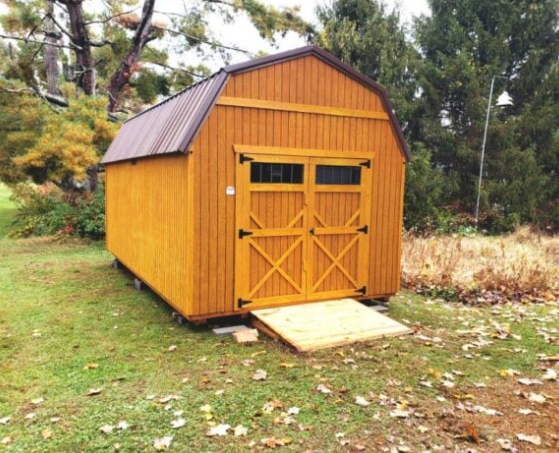
Holiday decorations, empty suitcases, and camping supplies can take up floor space you need for a mower or bicycles. A loft can keep items you rarely use out of the way, leaving more floor space for everyday equipment. Before adding a loft, check how much storage space it offers and how you will safely put items in and take them out. Barn sheds often attract buyers looking for overhead storage, but a tall roof alone does not tell you what a loft can safely hold. Its design, structural support, and access need attention before you start moving boxes upstairs.
Start by looking at the items you plan to store, then discuss the shed and proposed loft with the manufacturer or a qualified professional. The following checks can help you decide whether a loft is the right fit for your storage needs.
Make a list of items used only occasionally. A loft can hold seasonal decorations, empty suitcases, and lightweight outdoor accessories, as long as they fit within its dimensions and weight limit.
Keep frequently used tools downstairs so you do not have to retrieve them from the loft every weekend. Heavy equipment also needs a suitable storage location. In backyard sheds, a loft should give you extra storage while still keeping items easy to reach and the floor space comfortable to use.
Ask the manufacturer about the load capacity of the specific loft, including instructions about how weight should be distributed. Several boxes of books can quickly add up to a heavy load, so check their combined weight against the loft’s capacity.
Before adding a loft to older storage sheds, have a qualified professional check whether the shed’s frame can support it. Check its capacity and safety while storing and retrieving items from it.
Measure the distance between the proposed loft floor and ceiling at various locations. Sides that slope may result in insufficient space for large boxes at the perimeter of the loft. Check the area below the platform, too, particularly if you’ll be parking equipment or having a workbench under it.
Barn sheds can provide valuable roof area, but the actual size will depend on the specific type of barn shed. Before agreeing to the layout of an opening, request a drawing of the platform’s height, depth, and opening.
Leave enough room to reach the loft safely without blocking the shed’s entrance or walkway. A ladder or stair arrangement should suit the design and leave the empty space towards the entrance. Make sure you can safely lift bulky containers into the loft and bring them down again.
Ask the manufacturer or installer about suitable access and any guardrails needed along open edges. Avoid using chairs, furniture, or stacked boxes to reach the loft. When comparing storage sheds for sale, ask how the loft is accessed and whether safe access is included in the design.
Adding a loft can make the space below it darker by blocking light from windows or ceiling fixtures. Consider where the windows and lights are placed before deciding how far the loft should extend. Make sure vents stay clear, and check whether loft or stored boxes would block vents and reduce air circulation inside the shed.
When designing loft storage in cottage sheds, windows and roof framing should be a major consideration. If it requires electrical work, hire a qualified electrician and ensure both levels are lit up properly.
Sheds Direct lists barn sheds and lofts among the options available for additional shed storage. When selecting your shed storage building, tell them what you would like to store up top and what will be your purpose for the lower floor. Be sure to ask about the measurements of the loft, load capacity, and additional charges, if any.
Possibly, but the shed should be assessed by the manufacturer or a qualified professional first. The existing framing may not be strong enough for the planned loft, so confirm the design, connections, and load limits before installation.
Items used only occasionally are usually best for loft storage, as long as they are within the loft’s weight limit and can be retrieved safely. Don’t look at space alone for selection. Consider the weight, access, and the storage conditions each item requires.
No. Roof shape, framing, and interior height can vary from one model to another. When comparing storage sheds for sale, ask for the loft measurements and check how much usable space will remain below it.
Do not assume so. A storage platform may not meet the structural or safety requirements for occupied space. Discuss the intended use with the manufacturer and check applicable requirements before planning any conversion.
See also: Customer App or Operating Platform: What Should a Business Build First?
A loft should make belongings easier to store without making them difficult to access. Before choosing a barn shed layout, check how much weight it can hold, how much headroom is available, and how safely you can access it. The best setup provides useful extra space while making it easy to reach and organize your belongings.