Newsletter Subscribe
Enter your email address below and subscribe to our newsletter

 ByJohn A
Interior design is about creating a space that feels comfortable, functional, and representative of personal taste. While furniture, wall colours, lighting, and decorative accessories all contribute to a room’s appearance, flooring also plays an important role in shaping its overall atmosphere. Custom floor rugs offer a practical way to introduce individual style, complement existing décor, and create a more cohesive interior.
Unlike standard rugs with predetermined dimensions and patterns, custom floor rugs can be designed around specific room layouts, preferred colours, material choices, and decorative themes. This flexibility makes them suitable for a wide range of interiors, from minimalist apartments to traditional family homes and contemporary open-plan spaces.
Understanding how personalised rug designs influence an interior can help homeowners make thoughtful choices that balance visual appeal, comfort, and everyday functionality.
A rug is more than a decorative accessory placed on the floor. It can influence how a room looks, feels, and functions. The right design can bring different furniture pieces together, introduce contrast, or establish a visual connection between various elements.
Custom floor rugs allow these decisions to be made according to the specific requirements of a room rather than relying on standard designs.
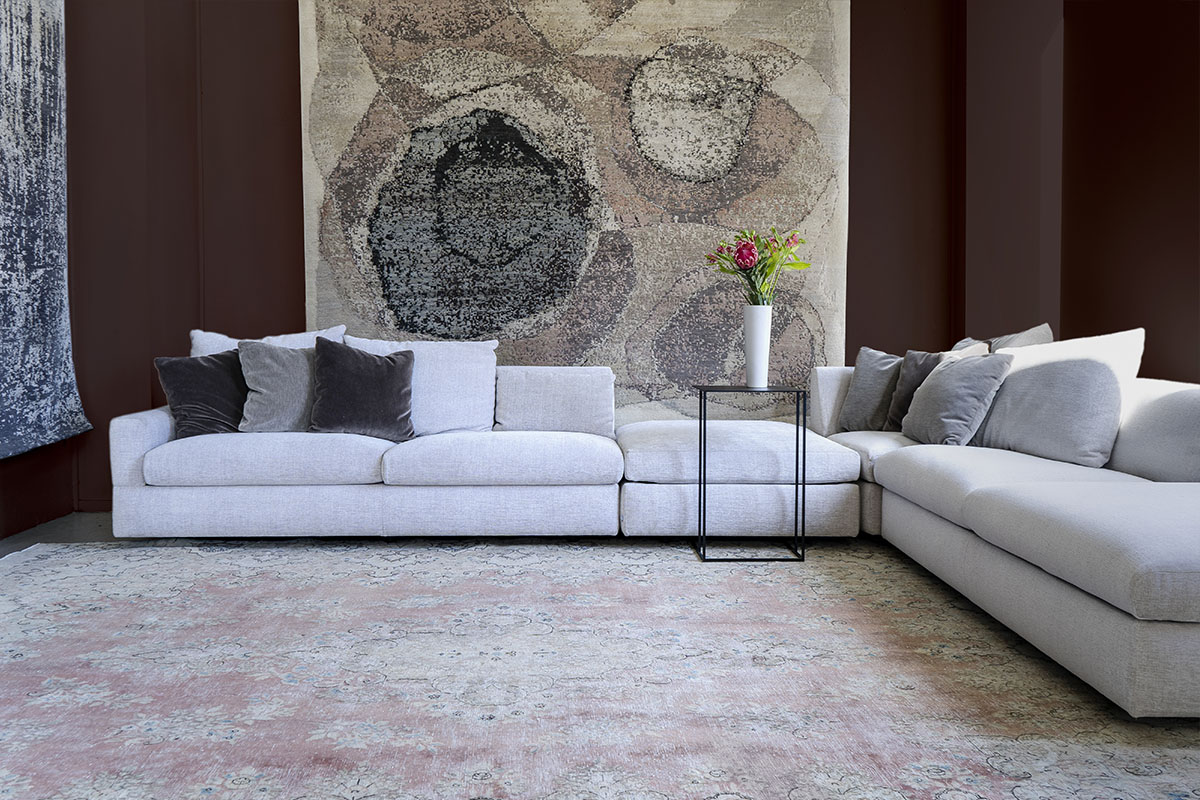
For example, a neutral rug with a subtle texture can complement a calm, understated living room, while a geometric design can introduce energy into a contemporary setting. A carefully selected rug can also help define an area in a larger room without requiring physical partitions.
Personalisation makes it easier to coordinate the rug with existing furniture, flooring, curtains, artwork, and architectural details.
Colour is one of the most influential elements in interior design. It affects the visual balance of a room and helps establish a particular mood.
Beige, ivory, grey, taupe, and other understated shades work well in interiors that prioritise simplicity and relaxation. These colours can complement wooden furniture, natural materials, and soft furnishings without competing for attention.
A neutral custom rug can also create continuity when a room contains several different textures or decorative elements. Choosing a slightly warmer or cooler shade than the surrounding flooring adds subtle definition while maintaining a harmonious appearance.
People who enjoy expressive interiors may prefer rugs featuring deep blue, forest green, terracotta, burgundy, or mustard tones. These colours can introduce character into otherwise simple spaces.
A bold rug can become the focal point of a room, especially when the furniture and walls use more restrained colours. Alternatively, smaller colour accents can connect the rug to cushions, artwork, or decorative objects.
Before choosing a colour, consider the room’s dominant shades, natural lighting, furniture finishes, and flooring. A colour that looks attractive in isolation may feel overwhelming when combined with several competing patterns.
Custom floor rugs make it easier to select a colour combination that supports the existing interior rather than forcing the entire room to be redesigned around a standard rug.
Patterns communicate a particular design language. They can make an interior feel traditional, modern, artistic, playful, or understated.
Geometric rugs feature lines, repeated shapes, grids, and structured compositions. They are particularly suitable for modern interiors with clean furniture profiles, simple finishes, and uncluttered arrangements.
A subtle geometric pattern can add visual interest without overwhelming the room. Larger shapes and stronger contrasts create a more prominent statement, while smaller repeated motifs offer a quieter appearance.
Curved lines, botanical motifs, irregular shapes, and nature-inspired designs can soften interiors dominated by straight edges and hard surfaces.
These patterns work well with wooden furniture, indoor plants, natural fabrics, and earthy colour palettes. They can also introduce movement into a room without relying on bright colours.
Classic motifs, ornamental borders, and intricate patterns can complement traditional furniture, decorative woodwork, and layered interiors.
When choosing a traditional design, consider the visual complexity of the surrounding décor. A detailed rug can work beautifully in a richly decorated room, while a simplified pattern may be more appropriate when other elements already attract considerable attention.
Personalised rugs can be adapted to the visual characteristics of different design approaches.
Minimalist spaces rely on simplicity, purposeful furnishings, and restrained decoration. A custom rug in a solid colour, subtle pattern, or understated texture can add warmth without disrupting the overall aesthetic.
The emphasis should be on proportion, material quality, and how the rug interacts with the furniture.
Contemporary interiors often combine clean lines with contrasting textures and carefully selected statement pieces. A custom rug with an abstract design, distinctive border, or modern colour combination can strengthen this look.
Choosing dimensions that align with the furniture arrangement helps the rug feel integrated rather than randomly placed.
Rustic spaces often feature timber, stone, textured fabrics, and earthy colours. Rugs made with suitable natural fibres or natural-looking textures can reinforce this atmosphere.
Warm neutrals, muted greens, and organic patterns can create visual continuity between the rug and other materials.
Eclectic interiors combine influences, colours, patterns, and objects from different styles. Custom floor rugs provide an opportunity to connect these elements through a shared colour or repeating visual detail.
The goal is not necessarily to match everything. Instead, the rug should help the different elements feel intentional rather than disconnected.
Even a beautifully designed rug may look out of place if its dimensions do not suit the room. Size and shape affect furniture placement, walking routes, and the perceived proportions of an interior.
In living rooms, rugs are often positioned beneath the front legs of sofas and chairs or large enough to accommodate the main seating arrangement. This helps establish a unified conversation area.
In dining rooms, the rug should generally extend beyond the dining table sufficiently to allow chairs to remain on the rug when pulled out. Bedrooms may benefit from a larger rug beneath the bed or smaller rugs positioned alongside it.
Measuring the available floor area before selecting dimensions helps avoid rugs that appear too small or interfere with everyday movement.
Rectangular rugs are versatile and work well beneath sofas, dining tables, and beds. Round rugs can soften angular layouts, highlight a small seating arrangement, or complement circular furniture.
Oval, square, and irregular shapes may suit specific architectural features or creative furniture arrangements. Custom sizing is especially useful for unusual spaces where standard dimensions leave awkward gaps or obstruct important areas.
A rug’s material influences its appearance, softness, durability, and maintenance requirements. The best choice depends on how the room is used and the level of care the household can provide.
Wool and other natural fibres can offer tactile warmth and distinctive surface characteristics. Depending on their construction, they may suit bedrooms, living rooms, and other areas where comfort is important.
Natural materials differ in their resistance to moisture, staining, and wear, so their individual care requirements should be considered before selection.
Certain synthetic fibres are designed to offer convenient maintenance and resistance to everyday wear. They may be suitable for busy family areas, hallways, or rooms where frequent cleaning is necessary.
Material performance depends on fibre type, pile construction, backing, and manufacturing quality rather than the material category alone.
Texture can create interest even when a rug uses a simple colour palette. Flatwoven surfaces offer a relatively streamlined appearance, while deeper pile and varied yarn textures can create a softer, more layered effect.
Consider door clearance, furniture stability, cleaning needs, and foot traffic when selecting pile height and surface construction.
A personalised design should reflect individual preferences while remaining suitable for everyday use. A delicate, light-coloured rug may be appealing in a rarely used sitting room but less practical in a busy entrance.
Households with children or pets may prioritise cleanability, suitable pile height, and secure placement. Rooms receiving strong sunlight may require consideration of colour fading, while dining areas benefit from surfaces that allow chairs to move comfortably.
It is also important to use an appropriate rug pad when needed to improve stability and help protect the underlying floor. Material compatibility and manufacturer care instructions should guide the final choice.
See also: Customer App or Operating Platform: What Should a Business Build First?
Custom floor rugs provide an opportunity to express personal taste through colour, pattern, dimensions, shape, and texture. They can complement an established interior style, introduce contrast, define functional areas, and improve the visual relationship between furniture and flooring.
The most successful design begins with an understanding of the room’s purpose, existing décor, available space, and maintenance requirements. By balancing these practical considerations with personal preferences, homeowners can choose a rug that feels distinctive without appearing disconnected from the rest of the interior.
Ultimately, personalised rug design is not simply about creating something different. It is about choosing details that make a space feel more harmonious, comfortable, and genuinely reflective of the people who use it.