Newsletter Subscribe
Enter your email address below and subscribe to our newsletter

 ByJohn A
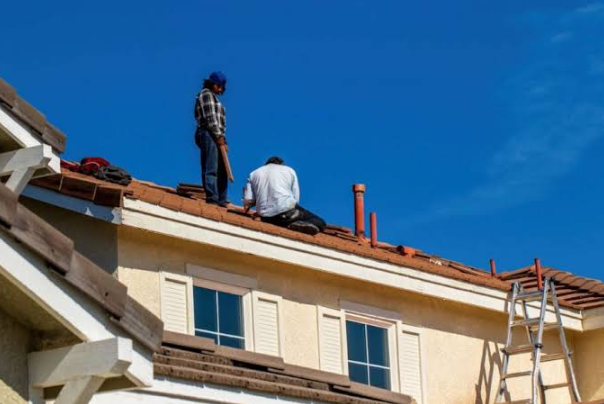
Roof problems often start small, long before replacing the entire roof becomes necessary. Problems often appear gradually: a leak around one area, a few damaged shingles, loose material, or moisture near a wall. These signs leave homeowners with an important question. Is roof repair enough, or is a new roof the more appropriate next step? The answer depends on the surrounding materials, previous repairs, flashing, and extent of deterioration. A complete roof inspection can help homeowners understand the extent of the problem and whether repair or replacement is the more suitable option.
Before deciding on the right roofing solution, consider the condition of the existing roof, the extent of the damage, and the work it may require. The following factors can help you understand which option makes the most sense for your roof.
The location of the damage can provide useful clues. A damaged shingle may be limited to a small section. A ceiling stain may point to a problem elsewhere on the roof, as water can travel before it becomes visible inside the home. The source could be damaged flashing, a vent, a roof-to-wall connection, or another nearby area.
Homeowners should note when the problem appeared and whether rain or strong winds make it worse.
One damaged area does not automatically mean the entire roof needs replacement. When the problem is confined to a specific section and the surrounding roof remains in suitable condition, a focused roof repair may be possible.
Widespread wear tells a different story. Multiple leaks, damage across different areas, or the same problems returning after repairs can point to a larger roofing issue. At that stage, fixing one section may no longer address the full extent of the problem.
A roof that has been repaired before deserves a look at what was done and why. If the same area keeps leaking after earlier repairs, another patch may not solve the underlying problem.
Repeated work does not automatically mean a new roof is required. It does, however, make it worth asking whether another localized repair is still practical.
Roofing material is only one part of the system. Flashing is used around walls, vents, chimneys, and other penetrations to help protect the points where different surfaces meet. Problems in these areas can allow moisture to reach nearby parts of the property.
This is especially important when damage appears close to a stucco wall. Before stucco roof repair begins, the adjoining roof and flashing should also be inspected. If the moisture is coming from the roof, repairing only the visible stucco damage may not solve the actual problem.
Homeowners should ask the contractor to explain what was found beyond the obvious problem area. Worn materials, loose sections, damaged flashing, old patches, moisture in two or more areas are possible findings in the inspection. These results can indicate if the problem is localized or systemic.
Two roofing estimates may differ because they cover different work. When comparing roofing companies Kingman, AZ, homeowners should read each scope carefully. It should make clear which areas will be repaired or replaced, which materials are proposed, and what is included in cleanup and warranties.
Before agreeing to the work, homeowners can also ask what happens if hidden damage is found after materials are removed. The estimate should explain how additional work will be discussed and approved.
The choice between repair and replacement is easier when it is based on an inspection rather than one visible symptom.
If you are thinking about getting roofing done, you can find out about roofing services from Canyon State Enterprises and discuss the state of the property. A professional inspection can show whether the problem is limited to one repairable area or whether more extensive roofing work is needed.
Roof repair may be enough for a small leak when the source is localized and surrounding materials remain in suitable condition. The source should be identified first because an indoor water stain may not sit directly below the point where water entered.
No. Age is only one consideration. The current condition, extent of damage, previous repairs, and condition of flashing and roofing materials should also be inspected before installing a new roof.
Damage near a roof-to-wall connection may involve both surfaces. Before stucco roof repair, the adjoining roofing and flashing should be checked for possible moisture entry.
They can compare written scopes, materials, qualifications, warranties, cleanup responsibilities, and how clearly each contractor explains the proposed work.
Roof repair and replacement solve different levels of damage. A localized issue may need only focused work, while widespread or recurring problems can justify considering a new roof. A professional inspection can show whether the problem is limited to one repairable area or more extensive roofing work is needed.
Contact Canyon State Enterprises today to schedule a roof assessment and find out what your property needs next.